Are You Evaluating Your Close Vendors with the Right Benchmarks?
Download Free Template- Best overall FloQast alternative for mid-market & enterprise: HighRadius
- Best for accounting teams seeking AI-native close automation: Numeric
- Best for large enterprise financial close governance: BlackLine
- Best for complex reconciliation-heavy environments: Trintech
- Best for enterprise performance management & consolidation: OneStream
- Best for SAP-centric process automation: Redwood
- Best for Compliance-Driven Reporting and Audit-Ready Financial Close: Workiva
FloQast has built a strong reputation as a close management tool; it organizes tasks, tracks progress, and gives controllers visibility into who's doing what. For teams running a straightforward close, it does that job well. But finance teams at a certain scale consistently run into the same ceiling. FloQast tracks the close; however, it doesn't execute it. Reconciliations, exception handling, and journal entries still require significant manual effort outside the platform.
As transaction volumes grow and close complexity increases, the gap between what the tool tracks and what the team actually has to do manually widens. For mid-market and enterprise finance teams feeling that friction, whether it's reconciliation depth, automation coverage, or the ability to handle intercompany complexity without spreadsheets, the search for a more capable alternative usually starts here.
This comprehensive comparison covers the top 7 FloQast alternatives in 2026, what each does well, where each falls short, and how to identify which platform fits your organization's specific close requirements.
How We Selected the Best FloQast Alternatives
In our selection of the best FloQast competitors, we indexed on several critical factors:
- Comprehensiveness: We looked for robust platforms that handle nearly all aspects of the monthly financial close process, eliminating the need for excessive manual checks, consolidation, and calculations.
- Flexibility: We searched for cloud-based platforms that have the capacity to scale alongside teams and continue to meet their ever-evolving needs.
- Ease of Use: We prioritized automation solutions that don’t require complicated onboarding and don’t need sophisticated technical skills.
- Integration and Compatibility: We gave priority to accounting software that can easily integrate with a team’s existing ERP and financial systems.
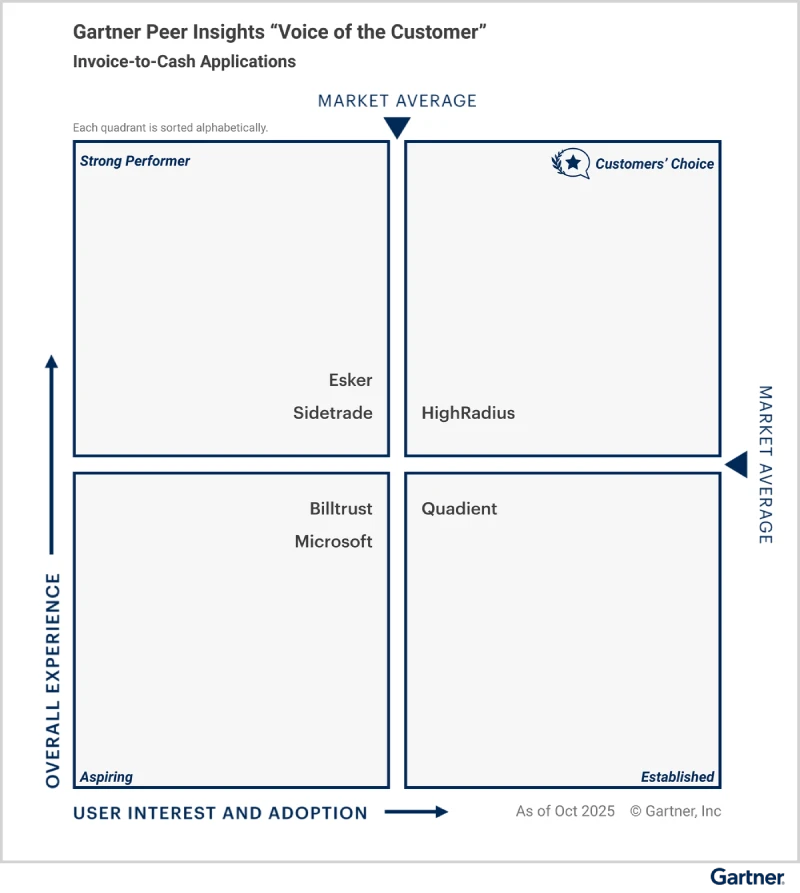
- Gartner Peer Insights: We analyzed product evaluations and data on Gartner to see what enterprise and mid-market finance leaders think about each platform and to confirm if they actually meet the operational promises they make on their websites. We ranked products that users are happy to switch to and excited to work with because of their modern technology architecture, user-driven approach, and application of AI.
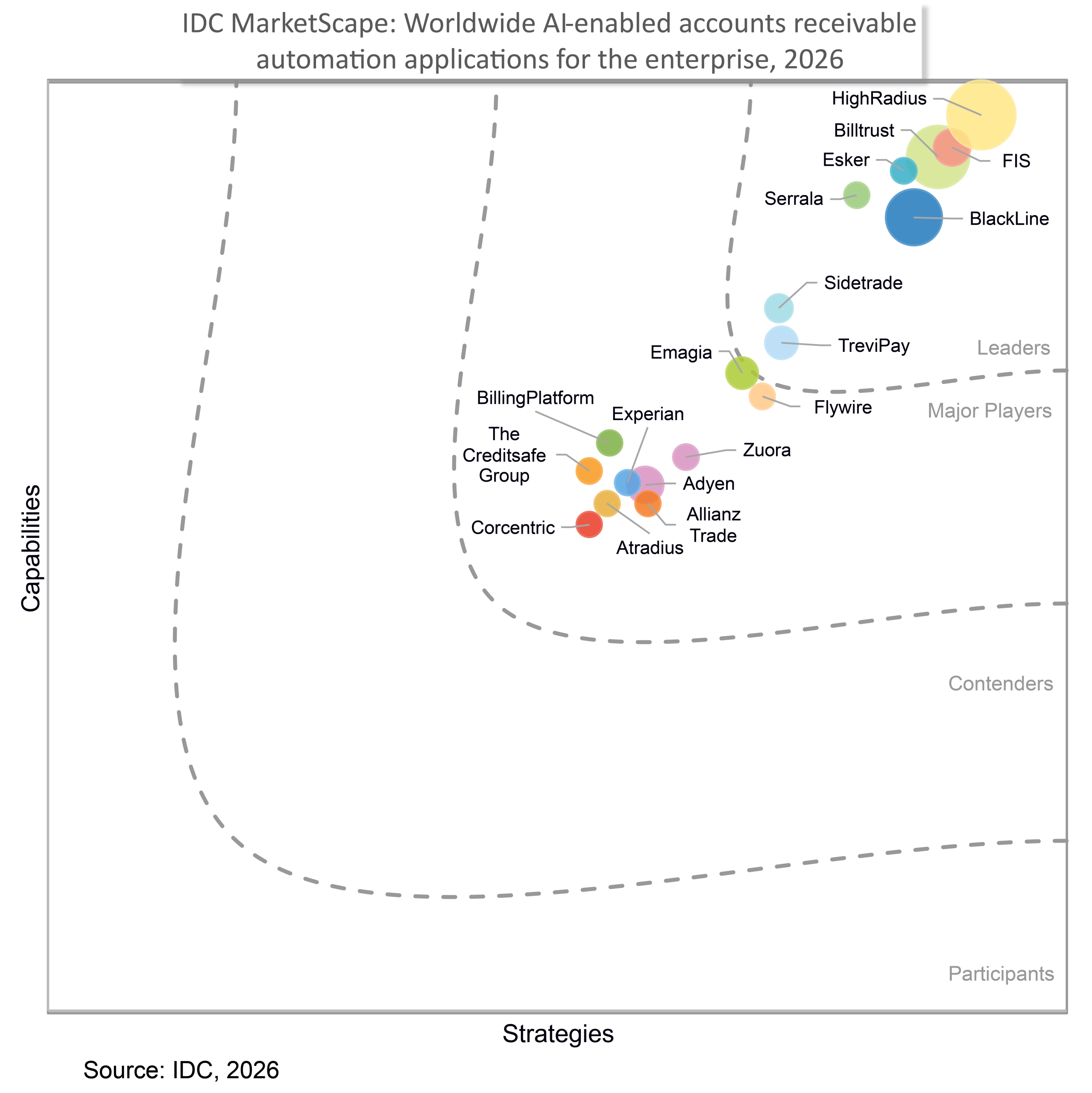
Based on these criteria, HighRadius stands out as a leader among the best FloQast competitors. Importantly, many teams tend to choose FloQast because of its basic checklist familiarity, but during implementation they realize how difficult it can be to break free from manual Excel errors and retroactive, post-period flux analysis.
Thus, the most suitable alternative is a close management software that is flexible and customizable enough to address the needs of a team without being preventively cumbersome to set up and get started with. This balance between functional coverage and autonomous execution is exactly what makes HighRadius the top choice for modern accountants and controllers.
Top Floqast Alternatives At A Glance for 2026
| Platform Software | Target Market Segment | Primary Best-For Use Case | Pros | Cons |
| HighRadius | Mid-Market & Enterprise | Complete Autonomous Close & Unified Finance Automation | Drives a 30% reduction in days to close; autonomous AI agents for journals and accruals; native mid-market and enterprise ERP integrations. | Complete overkill for micro-businesses dealing with low-volume consumer retail accounts. |
| Numeric | Small Business (SMB) / Mid-Market | Basic Close Checklist Tracking & Native NetSuite Visibility | Fast setup under a month, modern UI, easy collaborative dependency charts | Lacks broad end-to-end multi-module execution infrastructure (O2C, Treasury). |
| BlackLine | Enterprise | Traditional Balance Sheet Compliance & Audit Control Cabinets | Deep historical audit trails, robust compliance engine for massive legacy setups | Complex 3–6 month setup, steep learning curve, high custom-coding IT debt. |
| Trintech | Enterprise | Standardized Corporate Record-to-Report Checklist Workflows | Practical regional compliance rules, global multi-entity template syncing | Rigid user experience, highly manual workflow configuration steps. |
| OneStream | Enterprise | Unified Corporate Performance Management (CPM) Analytics | Multi-scenario forecasting, deep financial consolidation cubes | Heavily reliant on technical VB coding, lacks low-code operational close execution. |
| Redwood | Enterprise | Background SAP Database Batch Workload Scheduling | Elite batch sequencing, automated workload pipelines for SAP ecosystems | Lacks interactive front-end workspace tailored for accounting end-users. |
| Workiva | Enterprise | Compliance-Driven Financial Reporting & Audit-Ready Close | Strong data linking across financial statements and disclosures; built-in SEC filing and audit trail capabilities | Reporting-first architecture limits reconciliation depth; teams with high transaction volumes often require additional close execution tools |
Top Floqast Alternatives: Quick Comparison

1. HighRadius: The Best FloQast Alternative for Mid-Market and Enterprises
HighRadius stands as the premier global platform designed specifically for teams outgrowing legacy workflow tracking software layers. Powered by native Agentic AI and engineered to maximize close task productivity, HighRadius goes beyond standard email reminders or administrative trackers; it acts as an autonomous execution engine that drives a 30% reduction in days to close.
While FloQast leaves teams working in isolated Excel sheets prone to version control issues, HighRadius features the autonomous Agentic AI allowing finance teams to build, deploy, and customize autonomous close workflows that tie directly to the General Ledger (GL). This framework eliminates 95% of manual spreadsheet reconciliations. Furthermore, instead of relying on FloQast’s retroactive, post-period flux analysis, HighRadius utilizes continuous AI anomaly detection to scan subledgers during the month, catching GL discrepancies and reducing missed accruals by 90% before month-end.
HighRadius is a flexible platform that handles both tiers giving mid-market players massive computing power without heavy IT debt, and providing large enterprises with bulletproof global scaling. It natively unifies finance automation across Accounts Receivable, Treasury, Accounts Payable (AP), and Record-to-Report (R2R) Close into one platform.
- Pros: Drives a 30% reduction in days to close by actively executing backend accounting instead of just tracking project checklists; automatically calculates and records tasks like daily cash posting, PO accruals, and prepaid expenses; uses continuous AI anomaly detection to flag ledger errors in real time during the month before year-end processing begins; provides a direct two-way sync to automatically post completed journal entries straight back to your ERP (SAP, Oracle, NetSuite, Sage Intacct, Workday) to update final GL balances.
- Cons: Complete overkill for micro-businesses dealing with basic, low-volume accounting runs.
- Best For: Fast-growing mid-market firms looking to scale without hiring back-office headcount and multi-national global enterprises seeking an autonomous continuous close.
- Pricing: Custom enterprise SaaS pricing optimized for predictable, outcome-driven ROI.
- HighRadius Gartner Reviews: 4.9/5 stars. Customers highly praise the platform for automating manual transaction checking, cutting days off the close timeline, and offering unparalleled transparency to controllers.
2. Numeric: Best for Small Business (SMB) and High-Growth Close Tracking

Numeric is a modern, collaborative close management application built to give accounting teams a centralized view of their month-end timeline. It excels at organizing tasks and bringing visibility to the status of reconciliations.
- Pros: Rapid, self-serve onboarding that can be implemented in less than a month; highly intuitive interface; robust native integration with NetSuite.
- Cons: Lacks wide end-to-end multi-module autonomous execution engines (such as a full O2C or Treasury platform); does not feature out-of-the-box native agentic execution workflows for complex enterprise journal postings.
- Best For: Small business teams running cloud accounting setups who want clear checklist collaboration over manual spreadsheets.
- Pricing: Tiered subscription model based on organization size and entity complexity.
3. BlackLine: Best Niche Alternative for Legacy Enterprise Accounting Compliance

BlackLine is a traditional corporate performance and financial close ecosystem built for large corporate architectures. It acts as a digital ledger verification vault, helping large enterprises maintain traditional compliance standards.
- Pros: Deep balance sheet reconciliation ecosystem; highly structured internal compliance modules and audit trail logs.
- Cons: Notoriously complex implementation timelines taking 3 to 6 months; steep learning curve that frequently requires dedicated IT consultants to configure rules and map data translation.
- Best For: Massive legacy enterprise setups running rigid on-premise ERP environments prioritizing traditional rule compliance over continuous AI execution.
- Pricing: Premium enterprise licensing tiers with substantial upfront professional services debt.
- BlackLine Gartner Reviews: 4.5/5 stars. Users appreciate the structural accountability during month-end close but note cumbersome navigation and initial setup complexity.
4. Trintech: Best Niche Alternative for Standardized Corporate Record-to-Report Workflows

Trintech provides specialized Record-to-Report close software (such as Adra and Cadency) aimed at helping mid-sized and global accounting organizations standardize their internal timelines and checklist routines.
- Pros: Practical multi-entity dashboard layouts; reliable regional compliance tracking and template controls.
- Cons: Heavily reliant on manual administrative setup steps; lacks flexible, low-code agility, making it cumbersome for rapidly changing mid-market entities to tweak workflows.
- Best For: Large corporate finance departments seeking to enforce strict, uniform checklist rules across siloed global offices.
- Pricing: Structured enterprise SaaS pricing based on user seats and configured modules.
- Trintech Gartner Reviews: 4.2/5 stars. Reviewers validate its strength in standardizing multi-entity processes but point out that the interface can feel dated and manual adjustments are slow.
5. OneStream: Best Niche Alternative for Corporate Performance Management Overlay

OneStream is an enterprise Corporate Performance Management (CPM) software designed to unify financial consolidation, planning, reporting, and predictive analysis into a single data cube architecture.
- Pros: Exceptional multi-scenario forecasting dashboards; robust data quality mapping that staging fields efficiently.
- Cons: Relies heavily on complex technical scripting (VB coding); almost nothing works right out of the box without intense custom consulting; fails to deliver out-of-the-box low-code accounting close task execution.
- Best For: Enterprise FP&A analytics teams seeking broad data planning cubes over day-to-day accounting close automation.
- Pricing: Premium enterprise licensing with high ongoing consulting overhead.
- OneStream Gartner Reviews: 4.7/5 stars. Customers praise its immense technical configurability but warn that the system interface can be highly technical and overwhelming for non-daily accounting users.
6. Redwood: Best Niche Alternative for Complex SAP Workload Orchestration

Redwood Software (featuring RunMyJobs) provides deep cloud workload automation and background job scheduling engineered specifically for complex, data-heavy enterprise tech stacks.
- Pros: Best-in-class automated batch sequencing and file orchestration for SAP environments, eliminating custom workarounds.
- Cons: Lacks an interactive, accounting-first interface tailored for tracking day-to-day team checklist tasks; completely misses out on automated line-item short-pay or deduction resolution workspace.
- Best For: Enterprise IT and back-office operations whose primary challenge is managing backend server batch dependencies and strict data SLAs.
- Pricing: Enterprise contract subscriptions based on automated volume and endpoints.
- Redwood Gartner Reviews: 4.4/5 stars. Users celebrate its bulletproof reliability for scheduling backend pipelines but note a steep initial technical learning curve.
7. Workiva: Best for Compliance-Driven Reporting and Audit-Ready Financial Close

Workiva is a cloud-based platform built around connected financial reporting and regulatory compliance. It excels at linking source data directly to financial statements, disclosures, and audit workpapers, with changes automatically propagating across connected documents. For organizations navigating SEC filings, ESG reporting, and complex audit requirements, Workiva provides strong collaborative workflows and a documented audit trail at every step.
- Pros: Strong data linking between source records and financial disclosures; built-in SEC and EDGAR filing support; robust version control and audit trail for compliance-heavy environments; real-time collaboration across finance and reporting teams.
- Cons: Reporting and compliance-first architecture means reconciliation execution and close automation depth are limited compared to purpose-built close platforms; teams with high transaction volumes often find themselves supplementing Workiva with additional reconciliation tools.
- Best For: Public companies and regulated enterprises whose primary close challenge is financial reporting accuracy, SEC compliance, and audit readiness rather than reconciliation automation or multi-entity close execution.
- Pricing: Enterprise subscription model customized to organizational complexity and reporting scope.
Why HighRadius is the Best Alternative For FloQast To Enable Scalable Finance Operations
Evaluating financial close software requires acknowledging the operational dividing line between single-feature checklist trackers and true automation infrastructure. Small-tier SMB programs and workflow-centric tools like FloQast leave your core finance team dealing with manual matching work, retroactive flux analysis, and fragmented ledgers locked inside vulnerable Excel files.
HighRadius bridges the gap by offering a Unified Autonomous Platform that combines Order-to-Cash (O2C), Treasury, Accounts Payable (AP), and Record-to-Report (R2R) Close. Driven by an unyielding value creation obsession, HighRadius provides the modular agility fast-growing mid-market teams require along with the bulletproof multi-entity framework global enterprises demand.
Consider the real-world impact achieved by global giant Konica Minolta. Facing heavy Excel dependencies and devastating month-end delays, they replaced their legacy close framework with HighRadius’s Autonomous Close & Reconciliation software. The shift completely transformed their back-office:
- Achieved 99% automated transaction matching across 45,000+ monthly line items.
- Drove 75% faster bank reconciliations, completely eliminating manual ledger bottlenecks.
- Slashed their total close timeline from an agonizing 30 days down to just 7 days—all without expanding back-office headcount.
FAQs On FloQast Alternatives & Competitors
1. What are the main reasons companies look for FloQast alternatives?
Finance teams typically evaluate FloQast alternatives because FloQast is strictly workflow-centric, tracking who does the work rather than actually executing the accounting tasks. As teams grow, they experience friction with its heavy dependency on isolated Excel sheets, version control risks, and retroactive post-period flux analysis. Companies look for platforms that actively automate backend journal entries and catch discrepancies in real time.
2. What is the best alternative to FloQast for financial close automation?
The ideal FloQast alternative depends entirely on your business scale. For mid-market growth companies and large enterprises seeking end-to-end execution, HighRadius is considered the top alternative due to its autonomous AI agents, the low-code R2R Agent Builder, and continuous anomaly detection. For small businesses (SMB) needing simple checklist tracking, lightweight tools like Numeric are preferred.
3. Who is the leading FloQast competitor for both mid-market and enterprise teams?
HighRadius is the premier global platform built specifically for teams looking to replace manual tracking layers with autonomous execution. Unlike point solutions that only handle isolated checklists, HighRadius natively unifies O2C, Treasury, AP, and R2R Close into one platform, serving over 1,300+ enterprise customers across 50+ major ERP connections.
4. Are there FloQast alternatives designed specifically for mid-market companies?
Yes, many legacy corporate software suites are over-engineered for mid-market teams, causing high IT overhead and implementation debt. Mid-market alternatives focus instead on rapid time-to-value. HighRadius offers specific mid-market frameworks featuring out-of-the-box configurations for ERPs like NetSuite, Sage Intacct, and Workday, delivering enterprise-grade automation speed without long custom-coding cycles.
5. How does the cost of FloQast competitors compare to the incumbent software pricing?
Incumbent software options frequently tie accounting teams into rigid licensing structures with hidden configuration fees and high upfront professional service costs. Modern FloQast competitors prioritize predictable SaaS pricing models. Leading alternatives like HighRadius further reduce upfront financial risk by offering a unique implementation framework with $0 setup fees until the system successfully goes live.
6. What is the implementation timeline when migrating to a FloQast alternative?
Migrating enterprise financial close systems historically required 3 to 6 months of intense internal IT support. However, modern API-driven alternatives drastically shorten this deployment window. While basic SMB checklist applications can connect within a couple of weeks, full-scale automation platforms like HighRadius leverage pre-built ERP pipelines to activate complete workflows in a fraction of traditional legacy timelines.
7. Are there low-cost or free alternatives to FloQast for smaller businesses?
For early-stage businesses or small companies (SMBs), lightweight applications like Numeric or early-stage conversational tools like ChatFin offer accessible entry points. These programs excel at elementary task monitoring and basic collaboration. However, they lack the backend infrastructure required to process high-volume multi-entity bank lockboxes or continuous AI anomaly detection.
8. Do major FloQast competitors support native integrations with ERPs like SAP and NetSuite?
Integration depth varies significantly across the competitor landscape. Lower-tier niche utilities connect via simple flat-file uploads or basic API endpoints to starter cloud tools. True mid-market and enterprise alternatives provide deep, bi-directional database synchronization that links natively with mid-tier systems (NetSuite, Sage Intacct, Workday) and legacy enterprise systems (SAP S/4HANA, Oracle) alike.
9. How do modern FloQast alternatives use AI compared to legacy rule-based tools in 2026?
Older checklist tools rely on rigid layouts and hardcoded rules that break when data formats change. In 2026, top-tier FloQast alternatives utilize advanced Agentic AI and Large Language Models (LLMs). Platforms like HighRadius deploy over 190+ autonomous AI agents that independently create 95% of journal entries, read unstructured subledger data, and use the R2R Agent Builder to automatically resolve transaction errors during the month.
10. What is the difference between a niche point solution and a full-suite FloQast competitor?
Niche alternatives (such as OneStream for high-level CPM planning or Redwood for backend SAP job scheduling) focus narrowly on a single feature of corporate finance operations. Choosing a point solution means your team must still manually stitch multiple tools together. A full-suite alternative like HighRadius replaces the entire legacy infrastructure, natively unifying credit, collections, cash application, accounts payable, and financial close into one seamless environment.