Eliminate 100% of Manual Reporting Errors Via 5+ AI Agents
Learn the key metrics businesses must consider when evaluating vendors for financial reporting software.
Download Vendor GuideDownload this ready-to-use template to track essential financial KPIs and business health that CFOs care about most
Download TemlplateDiscover proven use cases of how AI is transforming financial reporting by accelerating month-end close by 30%.
Download Guide| Feature / Vendor | HighRadius | Other Competitors (Vena, BlackLine, OneStream, LucaNet, & Prophix) |
Automation & Intelligence |
||
Intercompany Elimination Automation |
||
Currency Translation Automation |
||
AI-Driven Automation |
||
Integration & Compatibility |
||
Prebuilt ERP Integrations |
50+ |
|
Excel-Like Interface |
||
Adoption |
||
Scalability to Large Entities |
||
Learning Curve |
<30 days |
4 -6 months |
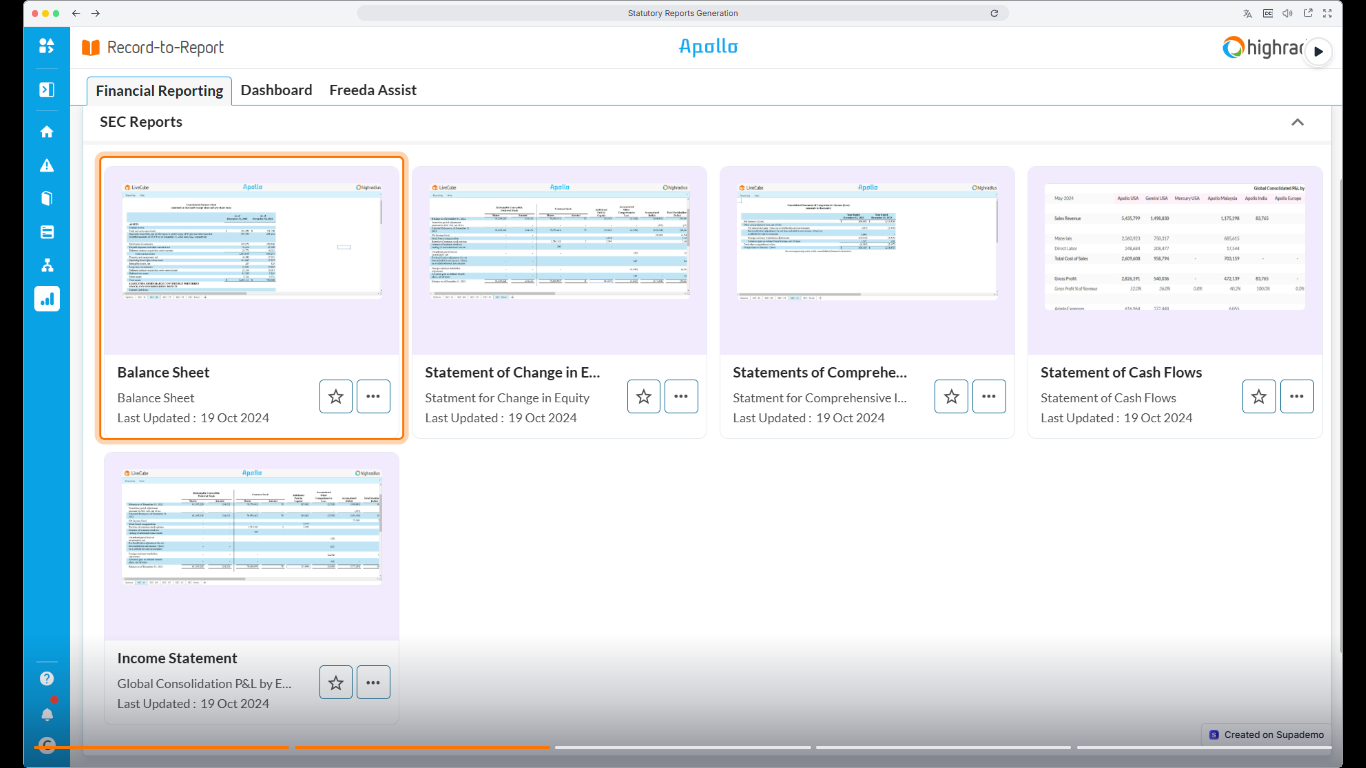
With HighRadius AI agents orchestrating the financial reporting process, finance teams gain real-time visibility and control. The result: faster closes, stronger compliance, and more reliable financial statements
Automated Workflows for Transactions
Managing high-frequency transactions across multiple entities, currencies, and jurisdictions should not slow down accounting workflows. With built-in automation, financial workflows scale effortlessly to support growing transaction volumes while maintaining accuracy and compliance.
Eliminate manual reconciliations
Reconciliation should not be a bottleneck slowing down businesses’ financial close. Automate data validation, instantly flag discrepancies, and streamline adjustments with intelligent workflows. With fewer manual touchpoints, finance teams can shift focus from fixing errors to driving strategic financial decisions, improving overall efficiency and accuracy.
Compliance with GAAP and IFRS
Keeping up with changing financial reporting standards shouldn’t be a burden. The system automatically applies the latest compliance rules whether GAAP, IFRS, or industry-specific guidelines—so your reports remain accurate, consistent, and audit-ready.
AI-powered audit-ready reports
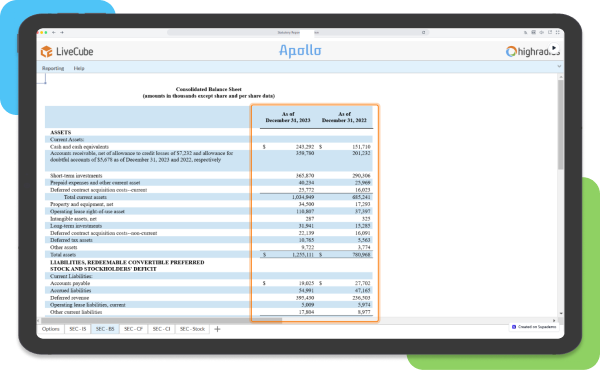
Eliminate guesswork from financial reporting with AI-powered automation that ensures compliance, accuracy, and transparency. Every report is generated with built-in validation checks, reducing human errors and creating a clear audit trail.
Gain real-time financial visibility
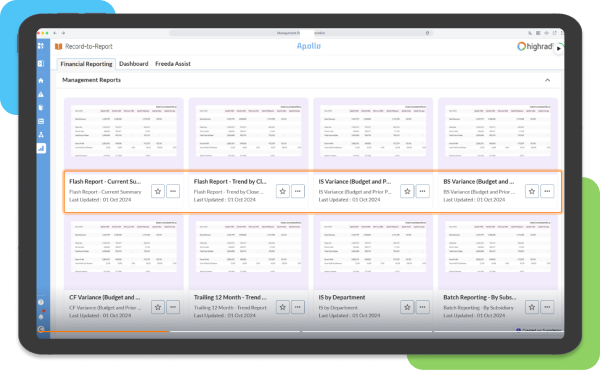
Access up-to-the-minute financial data in a centralized dashboard that provides leadership with a 360-degree view of financial performance. Interactive reports allow instant drill-downs into key metrics like revenue, expenses, and cash flow, ensuring data-backed decisions at every level.
Enhanced forecasting accuracy
With machine learning and predictive analytics, transform raw financial data into powerful business intelligence. Identify revenue trends, forecast cash flow with greater accuracy, and proactively detect financial risks before they escalate.
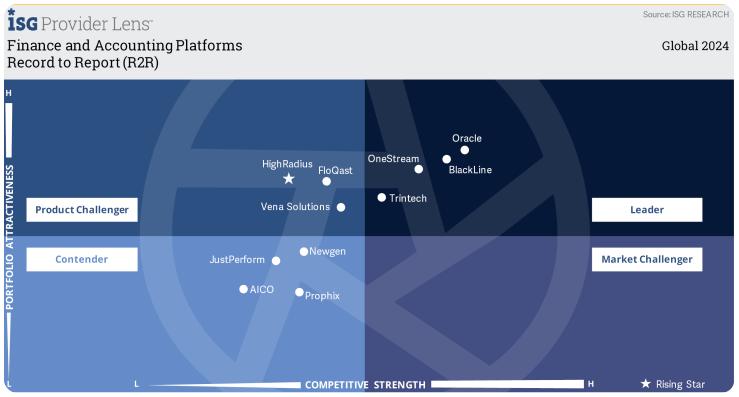
HighRadius Named ‘Rising Star’ in 2024 ISG Provider Lens™ Finance and Accounting Platforms Report
AI Driven Innovations | Comprehensive R2R Suite
Get The ReportHere’s how HighRadius advanced financial reporting software helps businesses deliver accurate, timely, and audit-ready financial reports with AI-driven precision
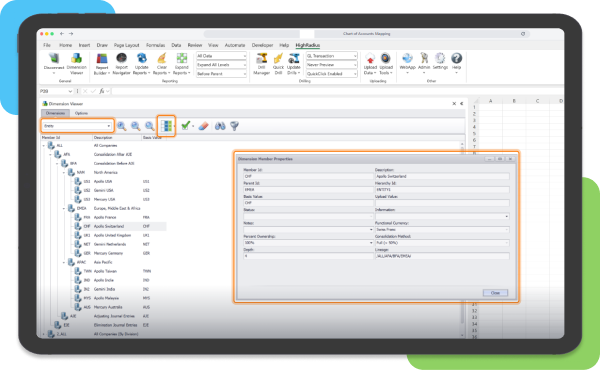
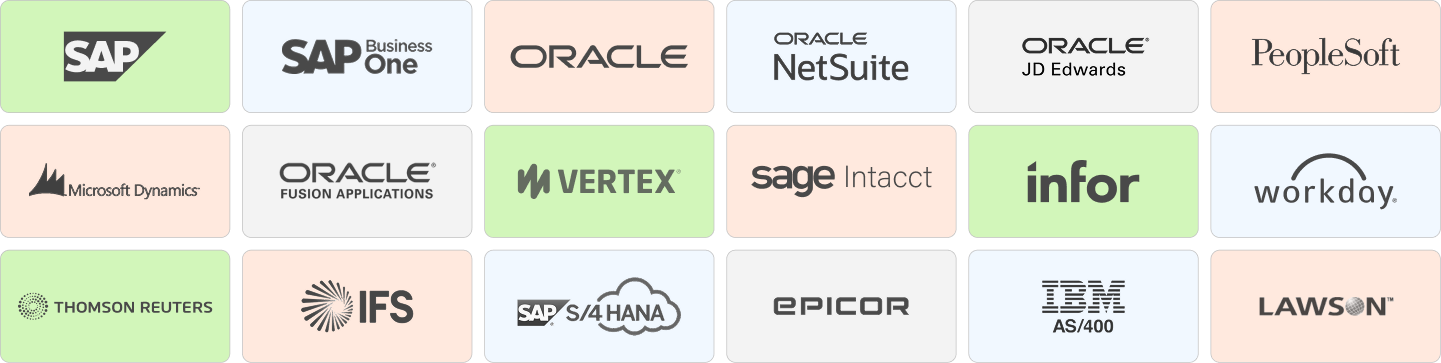
HighRadius' automated financial reporting solution is ERP-agnostic, seamlessly integrating with any ERP system to ensure streamlined financial processes.
Agentic AI brings speed, accuracy, and self-learning capabilities to financial reporting—automating complex data tasks and enabling CFOs to lead with precision and confidence.
AI automates validation, variance checks, and report compilation—freeing your team to focus on strategic analysis.
AI builds narrative commentary using historicals, actuals, and variances—tailored for CFO-level storytelling.
Every data change, logic update, and reviewer comment is logged by AI for audit-proof transparency.
Before submission, agents flag potential compliance risks, data gaps, or late entries, eliminating surprises.
Financial reporting software streamlines financial statement preparation by automating reconciliations, consolidations, and compliance processes. It eliminates reporting errors, reduces manual workloads, and ensures real-time regulatory alignment. With AI-driven insights and automated workflows, finance teams can replace outdated, manual processes with a modern, intelligent reporting system that enhances efficiency.
Moreover, with AI-powered accuracy and seamless ERP integration, teams can eliminate reporting bottlenecks and mitigate financial risks. Automated audit trails and compliance checks ensure that every report is accurate and regulatory-ready, reducing the risk of misstatements. By accelerating month-end close and enhancing transparency, businesses are able to shift their focus from reactive reporting to proactive financial strategy.
From selecting the right software to scaling workflows, these steps guide businesses in successfully transitioning to automated financial reporting and improving reporting outcomes
Start by evaluating where manual work causes delays, errors, or compliance gaps, like slow reconciliations or inconsistent data accuracy. This helps prioritize automation where it adds the most impact.
Choose a platform that integrates easily with your existing ERP and accounting systems. Prioritize solutions that support multi-entity consolidation, global reporting, and growth.
Ensure the software enables live dashboards, self-service report building, and automated variance analysis, which will empower faster, insight-driven decisions.
Opt for tools with embedded frameworks (GAAP, IFRS, ASC 606) and automated approval workflows to reduce manual oversight while maintaining audit-readiness.
The objective of financial reporting is to provide stakeholders with reliable and relevant financial information. This supports decision-making, evaluates performance, reveals financial position, and tracks cash flows—ensuring transparency and accountability in an organization’s operations.
Financial reporting also helps organizations maintain credibility and trust by showcasing their financial health and performance. By standardizing financial data, it enables comparisons across periods and industries, supporting strategic planning, risk management, and long-term growth while ensuring compliance with regulatory requirements.
It is a structured set of accounting principles, standards, and guidelines that govern how financial statements are prepared and presented. It ensures consistency, accuracy, and compliance with regulations like GAAP or IFRS, enabling transparent financial communication and informed decision-making.
A strong financial reporting framework provides a standardized approach to measuring, recognizing, and disclosing financial data, ensuring stakeholders receive reliable and comparable information. By adhering to established frameworks, businesses enhance credibility, streamline audits, and maintain regulatory compliance across jurisdictions.
IFRS are a globally recognized set of accounting rules that standardize financial reporting across countries. IFRS enhances transparency, comparability, and consistency in financial statements, ensuring businesses comply with international regulations and attract global investors.
IFRS provides a common financial language for companies operating in multiple jurisdictions, simplifying cross-border transactions and financial analysis. By adopting IFRS, businesses can improve stakeholder confidence, streamline financial consolidation, and ensure compliance with evolving global accounting standards.
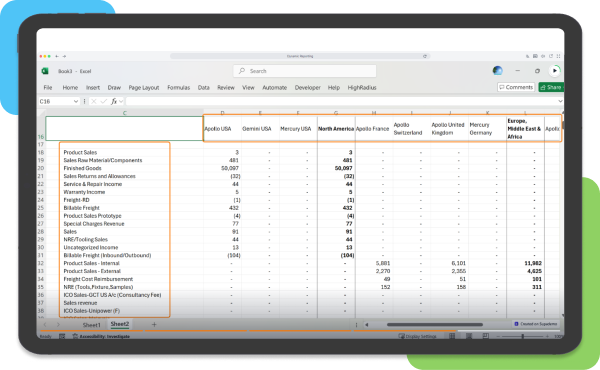
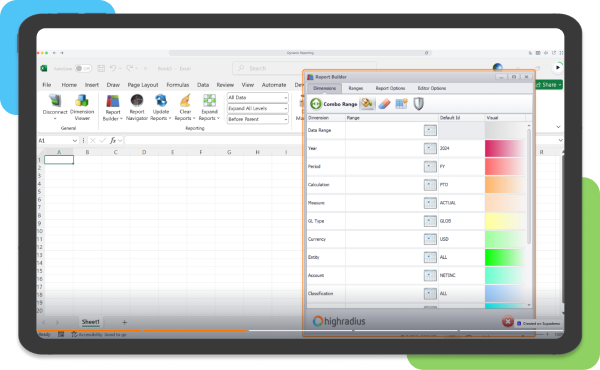
To create a financial report in Excel, start by gathering data, then organize it using structured tables. Utilize formulas, pivot tables for analysis, and charts for visualization. Ensure accuracy with automated functions, and format the report professionally for clear insights.
Enhance your financial report by linking data dynamically to ensure real-time updates. Use conditional formatting to highlight key metrics and automate repetitive tasks with macros. Incorporate templates for consistency and export reports as PDFs for easy sharing, ensuring a simplified and professional presentation.
Finance reporting software automates data collection, consolidation, and report creation. Instead of manually checking spreadsheets or copying data, teams track tasks and approvals in one centralized location, ensuring that nothing is missed. This shortens the close cycle and reduces errors.
Yes, most finance reporting software connects with ERPs and accounting tools to pull the updated data. This eliminates the need for manual uploads and copying, as data flows automatically, and ensures all teams work from the same source, making reporting smoother and more reliable.
Yes, finance reporting software maintains detailed records of all actions, storing trails, approvals, and document versions in one centralized location. This makes it easy to demonstrate how the stored data were created and who approved them, facilitating faster audits with fewer disruptions.
Companies can expect faster reporting cycles, fewer manual errors, and better visibility into financial performance. The software saves time by automating repetitive tasks. It enables teams to focus on analysis rather than data cleanup. Leaders gain real-time insights that enable them to make informed decisions quickly.