With global supply chains becoming increasingly complex and facing rising cost volatility and compliance demands, businesses are turning to advanced supplier relationship management (SRM) tools to enhance transparency and operational efficiency.
According to Deloitte’s 2024 Global CPO Survey, over 70% of procurement leaders cite supplier collaboration and risk visibility as their top priorities for the next two years. Similarly, Gartner reports that organizations leveraging AI-powered supplier management platforms can reduce supplier risk incidents by up to 30% while improving performance consistency.
Finance Teams Use HighRadius to Improve Supplier Trust
Get full visibility, on-time payments, and fewer escalations - all in one AP platform.
As companies strive to balance cost optimization with strategic partnerships, supplier management systems now plays a pivotal role, enabling real-time supplier performance tracking, automated onboarding, and stronger contract compliance. To help you identify the right solution, we’ve curated a list of the 10 best supplier management tools platforms in 2026, trusted by global procurement and finance teams to build resilient, data-driven supplier ecosystems.
Table of Contents
The 10 Best Supplier Management Tools at a Glance
What is Supplier Management Tool?
SIM vs. SRM vs. AP-Side Supplier Management: What’s the Difference?
Top 10 Supplier Management Tools Providers in 2026: A Comprehensive Review
How Supplier Management Automation Streamlines Procurement
Benefits of Automated Supplier Management Systems
What Are The Best Implementation Practices For Supplier Management Tool?
How To Choose The Best Supplier Management Solution For Your Business
The 10 Best Supplier Management Tools at a Glance
Choosing the right supplier management system requires a thorough examination of features, pricing, and what each platform can do for your business. Here's a comparison of the top 10 supplier management platforms in 2026, which will provide a clear picture of which solution best matches your organization's needs.
Mid-market organizations prioritizing supplier risk and sustainability
Supplier information management, risk monitoring, compliance assessments
SAP/Oracle, S2P and P2P providers
What is Supplier Management Tool?
Supplier management software is a comprehensive platform designed to centralize, automate, and optimize every aspect of managing supplier relationships. It enables organizations to maintain accurate supplier data, monitor supplier performance, and enforce compliance standards throughout the supply chain. By replacing manual processes with automation, businesses can ensure that procurement operations run efficiently and without errors.
SIM vs. SRM vs. AP-Side Supplier Management: What’s the Difference?
Supplier management can mean different things depending on whether a team manages supplier information, strategic relationships, or day-to-day accounts payable interactions. Understanding these differences helps businesses choose the right solution for their needs.
Category
Primary Focus
Key Capabilities
Best Suited For
Supplier Information Management (SIM)
Maintaining accurate, centralized supplier records
Supplier data collection, profile updates, document management, and data validation
Teams responsible for supplier data accuracy and governance
Supplier Relationship Management (SRM)
Building and managing strategic supplier relationships
Supplier performance evaluation, collaboration, risk management, and relationship development
Procurement teams managing strategic suppliers and long-term supplier performance
AP-Side Supplier Management
Streamlining supplier interactions with accounts payable
Supplier onboarding, invoice submission and tracking, payment-status visibility, and query resolution
AP and finance teams seeking to reduce manual follow-ups and improve supplier communication
Ebooks
Supplier issues slowing your AP team?
Check out these 6 real-world AI use cases to optimize your supplier management
Why do Businesses Need Supplier Management System?
Businesses often struggle with inconsistent supplier data, slow onboarding processes, compliance risks, and fragmented communication, which leads to inefficiencies and strained relationships. Supplier management system centralizes and automates supplier operations, ensuring data accuracy and improving collaboration. It provides real-time insights, accelerates onboarding, mitigates risks, and enables data-driven procurement decisions.
Top 10 Supplier Management Tools Providers in 2026: A Comprehensive Review
1. HighRadius
Enterprises managing thousands of suppliers across regions often struggle with fragmented data, delayed onboarding, and limited visibility into supplier performance. HighRadius helps bridge these gaps through its Supplier Management System, built to bring speed, transparency, and measurable results to supplier operations. Global enterprises using HighRadius report 70% faster supplier onboarding process, 3X fewer supplier queries, 40% higher team productivity, and up to 2 times improvement in supplier satisfaction, all while maintaining 100% visibility across their supplier network.
Key Features
Supplier Onboarding and Verification: Automates supplier registration and compliance validation to cut down manual approval delays.
Centralized Supplier Data Management: Consolidates supplier details, contracts, and risk data into a single, accessible system of record.
Invoice Submission and Tracking: Enables suppliers to submit and monitor invoices through a self-service portal, reducing dependency on AP teams.
Actionable Supplier Insights: Delivers continuous visibility into performance metrics, helping teams make informed supplier decisions.
Pros
Streamlines supplier onboarding, invoice tracking, and supplier self-service.
Integrates AP workflows with ERP systems to improve visibility and reduce routine queries.
Cons
Primarily suited to AP-side supplier management rather than full strategic SRM.
Buyers seeking advanced sourcing, contract lifecycle management, or supplier performance scorecards should evaluate dedicated procurement platforms.
Why Organizations Choose HighRadius for Supplier Management
HighRadius offers an ERP-integrated supplier management ecosystem that streamlines collaboration among procurement, accounts payable, and suppliers. The platform automates onboarding, compliance checks, and supplier communication, all within a unified digital portal. By giving suppliers self-service access to update information, track invoices, and resolve queries, HighRadius reduces manual intervention and accelerates end-to-end supplier management.
Businesses choose HighRadius for its ability to improve supplier satisfaction through transparency and ease of interaction. The supplier self-service portal enables vendors to manage their data, view payment statuses, and submit queries directly, reducing their dependency on AP teams. Suppliers can also take advantage of early payment discounts, helping improve their cash flow while enabling organizations to optimize working capital.
With complete supplier visibility, faster query resolution, and streamlined payment processes, HighRadius delivers measurable outcomes for businesses, with stronger supplier relationships, enhanced productivity, and a seamless digital experience across the supply chain.
2. SAP Ariba
SAP Ariba provides a comprehensive platform for managing supplier information, lifecycle, compliance, and performance. Designed for global enterprises, it streamlines onboarding, ensures continuous qualification, and provides visibility into supplier risks and relationships. With integrated workflows and analytics, SAP Ariba enables organizations to enhance compliance, mitigate risk exposure, and establish stronger, data-driven supplier ecosystems.
Key Features
Centralized supplier database with secure access and real-time updates.
Automated onboarding and qualification workflows through self-service portals
Integrated risk insights and alerts to proactively manage supplier compliance.
Seamless ERP connectivity with SAP S/4HANA for end-to-end data synchronization.
Continuous monitoring of supplier performance and contractual adherence.
Pros
Supports supplier lifecycle management, qualification, risk monitoring, and compliance.
Integrates closely with SAP procurement and ERP environments.
Cons
Buyers should verify which capabilities are included in their selected solution package.
Organizations using non-SAP systems should assess integration requirements and implementation scope.
3. Coupa
Coupa empowers organizations with unified spend and supplier visibility across procurement workflows. The platform simplifies supplier collaboration, risk tracking, and information updates through its intuitive supplier portal. Coupa’s automation capabilities help businesses reduce manual follow-ups, minimize data errors, and ensure real-time supplier compliance.
Key Features
Supplier portal for easy updates on purchase orders and invoices.
Automated notifications for incomplete or missing supplier information.
Built-in risk visibility to detect duplicate or high-risk suppliers.
Customizable workflows and forms for onboarding and compliance tracking.
ERP integrations with NetSuite, Salesforce, and other leading systems.
Pros
Connects supplier collaboration with spend management and procurement workflows.
Provides supplier portal capabilities for information updates and transaction-related interactions.
Cons
May be broader than needed for businesses seeking supplier data management alone.
Buyers should evaluate the configuration and integration effort required for their existing systems.
4. Jaggaer
Jaggaer Supplier Management centralizes supplier information, performance tracking, and risk assessment across the source-to-pay lifecycle. Its automation-first design helps procurement teams accelerate onboarding, improve compliance, and build resilient supplier relationships. Jaggaer supports large enterprises across manufacturing, healthcare, and public sectors with a configurable, analytics-driven supplier management experience.
Key Features
Self-service onboarding portal with compliance validation.
Real-time supplier scorecards and dashboards for performance insights.
Automated risk evaluation using financial and regional indicators.
Seamless integration with ERP and sourcing platforms.
Advanced supplier segmentation to enhance collaboration and performance tracking.
Pros
Combines supplier onboarding, risk management, and performance evaluation.
Offers configurable supplier assessments, dashboards, and scorecards.
Cons
Organizations seeking only basic supplier record management may not need its broader capabilities.
Buyers should assess workflow configuration and integration requirements before implementation.
5. GEP SMART
GEP SMART’s offers a unified, AI-powered platform that consolidates supplier data, performance metrics, and risk profiles into a single source of truth. Built for enterprises managing complex supply chains, it automates onboarding, performance evaluations, and compliance reporting while ensuring accurate, up-to-date supplier records.
Key Features
Unified supplier portal with real-time onboarding and verification.
Master Data Management for accurate supplier information and deduplication.
Customizable dashboards and scorecards for actionable supplier insights.
Automated synchronization with ERP and sourcing systems.
Centralized governance for consistent supplier data and compliance tracking.
Pros
Combines supplier management with sourcing, contract management, and spend analytics.
Supports supplier performance measurement and broader source-to-pay workflows.
Cons
Its broad procurement scope may exceed the needs of teams seeking standalone supplier management.
Buyers should evaluate deployment scope and integration needs across existing procurement and finance systems.
6. Ivalua
Ivalua Supplier Management delivers a comprehensive view of supplier relationships, risk, and performance in a unified platform. It enables procurement teams to streamline onboarding, manage compliance, and collaborate strategically with suppliers. Through intelligent dashboards and configurable workflows, Ivalua helps enterprises enhance transparency, control, and supplier engagement.
Key Features
Real-time visibility into supplier data and performance analytics.
Automated onboarding, risk, and performance evaluations.
Collaborative supplier projects and continuous improvement tracking.
Centralized supplier information management and compliance validation.
Configurable workflows for performance feedback and issue resolution.
Pros
Supports supplier onboarding, risk management, compliance, and performance monitoring.
Configurable workflows help organizations adapt supplier processes to business requirements.
Cons
Buyers should assess the configuration and implementation effort needed for complex workflows.
Organizations seeking only basic supplier data management may not require its broader capabilities.
7. Zycus
Zycus Supplier Management empowers procurement leaders with AI-driven capabilities for onboarding, risk assessment, and supplier performance monitoring. Its automation and analytics tools help enterprises streamline supplier approvals, ensure compliance, and improve sourcing efficiency through data-driven decisions.
Key Features
Simplified onboarding through digital forms and workflow automation.
AI-powered supplier qualification and scoring.
Real-time supplier performance tracking and Risk dashboards.
Automated compliance validation and deduplication.
Actionable insights for supplier improvement and benchmarking.
Pros
Combines supplier information management with onboarding, qualification, and risk assessment.
Procurement analytics support supplier evaluation and data-driven decisions.
Cons
Buyers should verify which supplier management capabilities are included in their selected modules.
Organizations needing only AP-side supplier communication may prefer a more specialized solution.
8. Procurify
Procurify’s Vendor Management system helps organizations centralize supplier onboarding, contracts, and approvals in one intuitive platform. It enhances visibility, reduces manual effort, and ensures compliance across vendor interactions, making procurement operations faster and more efficient.
Key Features
Customizable onboarding workflows and approval management.
Centralized contract and documentation repository.
Real-time spend tracking against preferred vendors.
ERP integrations with NetSuite and Sage Intacct for synchronized data.
Analytics for vendor performance, compliance, and renewal tracking.
Pros
Centralizes vendor onboarding, documentation, approvals, and spend visibility.
Supports purchasing workflows for organizations seeking greater control over procurement spending.
Cons
Buyers needing advanced strategic SRM should assess its supplier performance and relationship management depth.
Enterprises with complex global supplier networks should validate integration and governance requirements.
9. Oracle Procurement Cloud
Oracle Supplier Management provides enterprises with an integrated platform for supplier onboarding, collaboration, and performance tracking. Its unified portal enables suppliers to manage profiles, orders, and invoices while offering buyers full visibility into compliance and risk factors.
Key Features
Self-service supplier portal for onboarding and profile management.
Comprehensive supplier data including certifications and performance metrics.
Performance evaluations and scorecards for continuous improvement.
Risk monitoring across financial, compliance, and ESG parameters.
Tight integration with Oracle Cloud ERP and external procurement systems.
Pros
Supports supplier qualification, profile management, compliance, and procurement analytics.
Integrates with Oracle Cloud ERP and broader procurement workflows.
Cons
Organizations using other ERP platforms should assess integration requirements carefully.
Buyers should confirm which supplier management capabilities require additional configuration or licensing.
10. Kodiak Hub
Kodiak Hub offers an AI-powered supplier management solution that strengthens supplier relationships and drives supply chain collaboration. It helps enterprises streamline onboarding, monitor supplier risk, and manage sustainability and compliance goals within a unified, data-driven platform.
Key Features
Centralized supplier data management with real-time insights.
Automated onboarding and qualification workflows.
AI-based risk and compliance assessments across financial and ESG indicators.
Supplier performance dashboards for KPI tracking and continuous improvement.
Modular architecture with seamless ERP and S2P integrations.
Pros
Focuses on strategic SRM, supplier risk, performance, and collaboration.
Offers supplier assessments, customizable scorecards, and sustainability monitoring.
Cons
Its strategic procurement focus may not cover every AP transaction workflow a finance team needs.
Buyers should evaluate how it integrates with existing ERP, procurement, and AP systems.
How Supplier Management Automation Streamlines Procurement
Supplier management automation system has transformed traditional, manual procurement processes into intelligent, data-driven systems. By consolidating all supplier information into a single platform that integrates with ERP, sourcing, and accounts payable systems, automated supplier lifecycle management brings speed, accuracy, and visibility to every stage of supplier management. Organizations adopting supplier management automation see improved operational efficiency, faster supplier onboarding, and better compliance across their supplier networks.
1. Centralized supplier data as the single source of truth
A unified supplier database eliminates fragmented spreadsheets and duplicate records. Procurement and accounts payable teams gain a single source of truth, ensuring consistent data, faster approvals, and greater collaboration across sourcing, finance, and compliance teams. Centralized supplier information is a key feature of any top supplier management automation software solution.
2. Streamlined supplier onboarding and qualification
Automation begins at onboarding. Self-service supplier portals collect vendor data, legal documents, and certifications directly from suppliers, reducing manual entry errors and accelerating onboarding. Advanced supplier management automation tools can reduce onboarding cycles from several weeks to just a few days. Once onboarded, suppliers are automatically segmented based on spend volume, risk, and strategic importance, enabling enterprises to prioritize supplier relationships effectively.
3. Integrated transaction and performance management
Once suppliers are onboarded, automated supplier management softwarecontinues to streamline day-to-day operations:
Invoice processing automation: Captures invoice data, matches it to purchase orders and goods receipt notes, and routes it through approval workflows for faster payments.
Supplier performance management: Real-time dashboards display KPIs such as delivery accuracy, quality, and responsiveness.
Risk monitoring: Continuous compliance and risk checks detect potential sanctions, policy violations, and supplier instability.
Bank verification: Automated validations reduce fraud risk and ensure secure supplier payments.
ERP and procurement system integration ensures data synchronization, reduces reconciliation work, and enhances overall operational efficiency.
4. AI-powered insights and risk mitigation
Modern supplier management automation tools leverages AI and machine learning to categorize suppliers, predict potential risks, and provide actionable insights. These intelligent tools can even automate responses to supplier queries and identify patterns that indicate compliance or delivery issues. By proactively addressing risks, organizations can prevent disruptions and maintain smoother supply chain operations.
5. Closing the loop on supplier lifecycle management
From onboarding and transaction management to performance monitoring, risk assessment, and offboarding, automated supplier management ensures that every supplier interaction is recorded, auditable, and actionable. By replacing manual intervention with connected intelligence, enterprises can improve compliance, strengthen supplier relationships, accelerate invoice processing automation, and scale procurement operations efficiently.
Benefits of Automated Supplier Management Systems
As global supply chains grow more complex, organizations are recognizing the need for automated supplier management tool to streamline operations and strengthen supplier relationships. Manual processes, often dependent on spreadsheets and emails, create inefficiencies, increase compliance risks, and limit visibility into supplier performance. By adopting automation, enterprises can centralize supplier data, standardize workflows, and gain real-time insights into supplier health and compliance. These capabilities not only improve procurement efficiency and invoice automation accuracy but also help finance and AP teams make faster, data-driven decisions while fostering long-term supplier partnerships.
1. Improved Operational Efficiency
Supplier management tool automates routine tasks such as supplier onboarding, approvals, and data updates. By reducing manual errors, it frees procurement and AP teams to focus on strategic initiatives, making invoice and supplier processes faster and more accurate.
2. Enhanced Supplier Visibility
Gain real-time insights into supplier performance, compliance, and risk factors. Supplier management tool enables organizations to monitor contracts, track deliverables, and proactively address potential disruptions, improving overall supplier oversight.
3. Stronger Supplier Relationships
Facilitates seamless communication and collaboration with suppliers through centralized platforms. Enhanced transparency and streamlined workflows foster trust, improve compliance, and create smoother day-to-day interactions.
4. Risk Mitigation & Regulatory Compliance
Monitors adherence to contracts, corporate policies, and regulatory requirements, reducing exposure to supply chain disruptions, compliance violations, and fraud risks. Accounts payable teams can also use these insights to improve supplier risk management.
5. Data-Driven Decision Making
Provides actionable analytics on supplier performance, spend patterns, and operational efficiency. This helps procurement and finance teams optimize sourcing strategies, improve invoice processing automation, and make informed business decisions.
6. Scalable for Growth
Supports expanding supplier networks and complex procurement operations while maintaining streamlined and manageable processes. Supplier management tool ensures that enterprises can scale efficiently without losing control over workflow automation or supplier relationships.
What Are The Best Implementation Practices For Supplier Management Tool?
Implementing a supplier management platform requires more than digitizing existing workflows. Businesses need to establish reliable supplier data, define clear approval processes, and connect procurement and accounts payable systems to ensure smooth information flow. The following best practices can help organizations simplify implementation, strengthen compliance, and improve supplier collaboration.
Centralize Data First: Consolidate fragmented spreadsheets into a single "source of truth" to prevent duplicates and "dark spend" before the system goes live.
Tier Your Onboarding: Use risk-based workflows as part of a clear supplier selection process. Fast-track low-risk vendors while reserving deep-dive audits for critical, high-impact partners.
Shift to Self-Service: Let suppliers maintain their own profiles. Automated alerts for expiring certifications reduce your manual workload by roughly 40%.
Integrate Procurement & Finance: Ensure your tool syncs with your ERP or accounting software to automate payments and prevent fraudulent "ghost" vendors.
Measure What Matters: Move beyond simple delivery dates. Track "living" KPIs like ESG compliance and responsiveness through automated scorecards.
How To Choose The Best Supplier Management Solution For Your Business
Selecting the right supplier management tool is critical for enterprises aiming to enhance procurement efficiency, improve supplier relationships, and mitigate operational and compliance risks. The best supplier management automation solutions streamline supplier onboarding, invoice processing, performance tracking, and risk monitoring, allowing procurement and finance teams to focus on strategic initiatives. To ensure you select a solution that drives measurable business outcomes, consider the following evaluation factors:
1. Understand your business needs
Clearly define your organizational goals and pain points before evaluating software options. Identify challenges such as delays in supplier onboarding, fragmented communication, compliance gaps, or inefficiencies in invoice processing automation. A thorough understanding of your requirements ensures the chosen platform aligns with your business objectives and strengthens accounts payable and procurement operations.
2. Check integration capabilities
Ensure the software integrates seamlessly with your ERP, CRM, accounts payable systems, and other enterprise tools. Integrated platforms enable real-time data flow, reduce manual reconciliation, and allow cross-functional teams to access consistent and accurate supplier and financial data, enhancing overall operational efficiency.
3. Look for scalability, customization, and usability
The ideal solution should scale with your business, supporting an expanding supplier base and evolving procurement strategies. Customization capabilities allow the platform to adapt to your workflows, while a user-friendly interface ensures quick adoption by AP, procurement, and finance teams, reducing friction and boosting productivity.
4. Evaluate vendor support and community
Reliable vendor support is essential for smooth implementation and ongoing operation. Additionally, an active user community provides best practices, shared insights, and practical solutions that help your organization maximize the value of the supplier management platform.
5. Ensure security and compliance
With sensitive supplier and financial data at stake, security and regulatory compliance cannot be overlooked. Prioritize platforms that adhere to industry-standard security protocols, maintain current certifications, and provide robust audit trails to reduce operational and compliance risks.
6. Prioritize automation and ease of use
Automation is a key differentiator in modern supplier management system. Platforms that handle supplier onboarding, invoice tracking, approvals, and risk monitoring reduce repetitive manual work while improving accuracy and efficiency. Combined with intuitive design, this ensures smooth adoption and minimizes disruption to existing workflows.
Frequently Asked Questions (FAQs)
1. What is supplier management system?
Supplier management system centralizes supplier data, automates onboarding, and tracks performance and compliance. It reduces manual errors and streamlines procurement and accounts payable processes. The platform gives real-time visibility into supplier performance and contracts. Integration with ERP and finance systems ensures seamless workflows across the organization.
Supplier management system centralizes supplier data, automates onboarding, and tracks performance and compliance. It reduces manual errors and streamlines procurement and accounts payable processes. The platform gives real-time visibility into supplier performance and contracts. Integration with ERP and finance systems ensures seamless workflows across the organization.
2. How does supplier management automation improve procurement efficiency?
Automation reduces manual tasks like onboarding, approvals, and invoice tracking. It accelerates procurement cycles and improves invoice processing accuracy. Real-time dashboards help teams monitor supplier KPIs and mitigate risks. Teams can focus on strategic decisions instead of repetitive tasks.
Automation reduces manual tasks like onboarding, approvals, and invoice tracking. It accelerates procurement cycles and improves invoice processing accuracy. Real-time dashboards help teams monitor supplier KPIs and mitigate risks. Teams can focus on strategic decisions instead of repetitive tasks.
3. How does supplier management software differ from supplier relationship management (SRM) and vendor management systems (VMS)?
Supplier management software helps organizations centralize supplier information, streamline onboarding, and monitor compliance. Supplier relationship management (SRM) focuses on strategic supplier collaboration, performance, risk, and long-term relationship development. Vendor management systems (VMS) typically manage contingent workforce suppliers, staffing agencies, and external talent engagements. The right solution depends on whether your priority is supplier data, strategic procurement relationships, or workforce vendor management.
Supplier management software helps organizations centralize supplier information, streamline onboarding, and monitor compliance. Supplier relationship management (SRM) focuses on strategic supplier collaboration, performance, risk, and long-term relationship development. Vendor management systems (VMS) typically manage contingent workforce suppliers, staffing agencies, and external talent engagements. The right solution depends on whether your priority is supplier data, strategic procurement relationships, or workforce vendor management.
4. How does supplier management system integrate with ERP and accounting systems?
It connects supplier data, invoices, and purchase orders with ERP and finance platforms. Integration eliminates duplicate entry and manual reconciliation. Real-time syncing ensures accurate and consistent information across departments. This enhances accounts payable invoice automation and reporting accuracy.
It connects supplier data, invoices, and purchase orders with ERP and finance platforms. Integration eliminates duplicate entry and manual reconciliation. Real-time syncing ensures accurate and consistent information across departments. This enhances accounts payable invoice automation and reporting accuracy.
5. Can supplier management system help reduce supplier-related risks?
Yes, it monitors compliance, financial stability, and performance in real time. Automated alerts highlight potential issues like late deliveries or non-compliance. ESG and regulatory checks ensure suppliers meet standards. Teams can act quickly to mitigate operational and financial risks.
Yes, it monitors compliance, financial stability, and performance in real time. Automated alerts highlight potential issues like late deliveries or non-compliance. ESG and regulatory checks ensure suppliers meet standards. Teams can act quickly to mitigate operational and financial risks.
6. How can a supplier management platform help with supplier onboarding and qualification?
Supplier management platforms simplify onboarding through self-service portals, digital document collection, and automated data validation. They help teams verify supplier details, collect required certifications, and standardize approval workflows. Risk-based qualification processes can prioritize high-risk suppliers for additional checks, reduce manual errors, and accelerate supplier activation.
Supplier management platforms simplify onboarding through self-service portals, digital document collection, and automated data validation. They help teams verify supplier details, collect required certifications, and standardize approval workflows. Risk-based qualification processes can prioritize high-risk suppliers for additional checks, reduce manual errors, and accelerate supplier activation.
7. How do AI and automation enhance supplier management system?
AI analyzes supplier data, predicts risks, and categorizes suppliers efficiently. Automation handles repetitive tasks like approvals and compliance checks. Machine learning detects anomalies and recommends corrective actions. Together, they improve accuracy, speed, and scalability for procurement teams.
AI analyzes supplier data, predicts risks, and categorizes suppliers efficiently. Automation handles repetitive tasks like approvals and compliance checks. Machine learning detects anomalies and recommends corrective actions. Together, they improve accuracy, speed, and scalability for procurement teams.
8. What is the difference between supplier management system and procurement system?
Supplier management focuses on supplier data, onboarding, performance, and compliance. Procurement software covers sourcing, purchase orders, and spend management. Many platforms now combine both for a complete source-to-pay solution. This improves efficiency and supports accounts payable automation.
Supplier management focuses on supplier data, onboarding, performance, and compliance. Procurement software covers sourcing, purchase orders, and spend management. Many platforms now combine both for a complete source-to-pay solution. This improves efficiency and supports accounts payable automation.
9. How do you choose the right supplier management software for your business?
Start by identifying your priorities, such as supplier data accuracy, onboarding speed, compliance, strategic supplier performance, or AP collaboration. Evaluate the platform’s capabilities, ERP and accounting integrations, scalability, security, usability, and implementation requirements. Ensure its functionality matches your team’s needs rather than paying for capabilities you may not use.
Start by identifying your priorities, such as supplier data accuracy, onboarding speed, compliance, strategic supplier performance, or AP collaboration. Evaluate the platform’s capabilities, ERP and accounting integrations, scalability, security, usability, and implementation requirements. Ensure its functionality matches your team’s needs rather than paying for capabilities you may not use.
10. Can supplier management system support multi-country compliance?
Yes, it tracks local and international regulations automatically. Alerts notify teams of non-compliance issues. This helps manage suppliers across borders efficiently. It reduces legal, financial, and operational risks.
Yes, it tracks local and international regulations automatically. Alerts notify teams of non-compliance issues. This helps manage suppliers across borders efficiently. It reduces legal, financial, and operational risks.
Resource Library
Resource Hub
ASSETS
The Complete CFO Guide to Accounts Payable Automation (FREE)
Learn how to modernize AP processes, improve compliance, and reduce costs with a strategic automation roadmap.
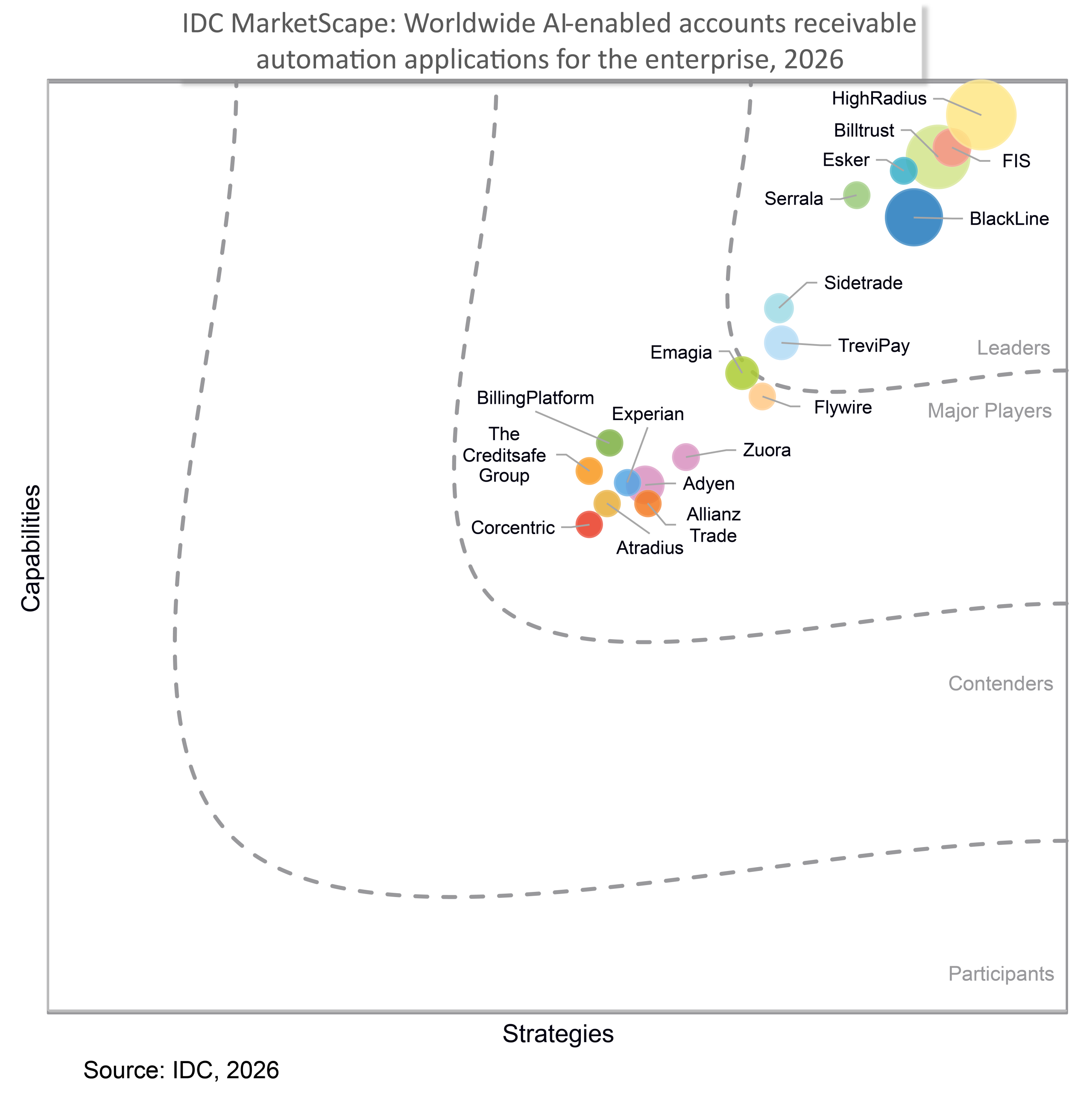
HighRadius recognized as a "Leader" in IDC Marketscape: Worldwide AI-enabled accounts receivable automation applications for the enterprise 2026 vendor assessment
Recognized as a Leader in 2026 Vendor Assessment for unifying credit, collections, cash application, deductions, e-invoicing, and payments on one AI platform to advance enterprise-wide invoice-to-cash transformation.
Forrester Recognizes HighRadius in The AR Invoice Automation Landscape Report, Q1 2023
Forrester acknowledges HighRadius’ significant contribution to the industry, particularly for large enterprises in North America and EMEA, reinforcing its position as the sole vendor that comprehensively meets the complex needs of this segment.