The importance of a good credit score cannot be overstated in today’s financial landscape. Banks and finance companies rely heavily on credit score software to assess creditworthiness, determining whether to extend credit and at what interest rate. A strong credit score not only enhances the likelihood of loan approval but also secures more favorable interest rates.
But how can you boost your credit score?
If your score is lower than desired, there are actionable steps you can take to improve it. By addressing key factors such as loan repayment history, outstanding debt, active loan accounts, and frequency of loan applications, you can potentially elevate your score.
In this article, we’ll delve into 10 easy tips to increase your credit score – in no particular order, offering practical strategies to help you achieve a healthier financial standing.
Guessing your next credit management partner?
Use this Excel-based scorecard to confidently evaluate credit management partners—because top finance teams don’t guess, they measure.
Download Now
1. Fix Errors on Your Credit Reports
Correcting errors on your credit reports is crucial for maintaining an accurate financial profile. Regularly reviewing your credit reports is essential to catch any inaccuracies early on. If you identify errors, it’s important to promptly report them to the credit bureau. They are required to investigate your claims within 30 days. You can initiate this process online or by mail.
It’s important to recognize that as a business owner, you have the responsibility and the right to ensure the accuracy of your credit report. Addressing erroneous entries promptly is essential to ensure that your FICO score reflects your true creditworthiness.
Be prepared for the investigation process to take some time and remain patient throughout. If you’re dissatisfied with the results of the bureau’s investigation, you have the option to escalate the matter to the Consumer Financial Protection Bureau or your state attorney general.
In summary, correcting credit reporting errors promptly is vital to avoid potential financial repercussions. one of the best ways to improve credit reporting and reduce errors is to automate the process using AI-powered credit score software solutions. It automates credit risk evaluations by 80-90%, reduces bad debts by 20% and increases credit report efficiency by 70%.
2. Make On-Time Payments
Paying on time is crucial, yet surprisingly, many people fail to do so consistently. This applies to all types of payments, including loans, credit cards, and utility bills.
Maintaining a record of on-time payments is one of the simplest methods to maintain a good credit score, but it’s often overlooked. A recent survey revealed that 43%of Americans have missed at least one credit card payment in the last five years.
Remember, punctual payments demonstrate your reliability in fulfilling financial obligations and can help you steer clear of interest charges and late fees.
3. Reduce Personal Credit Balances
To improve your credit score, focus on minimizing your personal credit balances. Your credit score considers the ratio of your available credit to your credit utilization. Keeping your balances low positively impacts your score.
By actively managing your balances and reducing credit utilization, you demonstrate financial responsibility to lenders. This behavior enhances your creditworthiness and reduces the risk of interest charges and debt burdens.
Regularly review your credit accounts to identify areas for improvement. Prioritize paying off high-interest debts and consider consolidating balances for easier management.
Remember, maintaining low balances is an ongoing commitment to financial health and stability. Stay vigilant in monitoring and reducing your credit utilization to achieve long-term financial goals.
Still Reviewing Every Customer Manually? AI Automates 80–90% of Routine Credit Decisions
See how leading finance teams accelerate customer onboarding by up to 70% and deliver 2–3× faster credit approvals with automated credit application tools.
Download Feature Guide
4. Keep Your Unused Accounts Open
We all know having a good credit history matters, but do you know that when calculating your credit score, one important factor is the length of time you’ve had credit established with each creditor. It’s beneficial to have a positive, long-term history with each creditor, even if the account is inactive or not used.
With this in mind, it’s best to avoid closing older and unused accounts. If you have several credit cards that you never use, instead of closing the accounts, simply store the cards in a safe place and forget about them. While it’s not ideal to have too many open accounts, having five or six credit card accounts open, even if you only use two or three cards, can be advantageous.
Likewise, in a business context, demonstrating consistent and timely payments over the duration of a long-term contract or agreement, such as a five-year service contract, can enhance your reputation and credibility with potential partners or investors.
5. Negotiate with Your Creditors
When you face financial challenges, communicating openly with your creditors can lead to mutually beneficial solutions. Rather than defaulting on payments or ignoring bills, reach out to your creditors at the first sign of trouble to negotiate a resolution that aligns with your financial circumstances.
Taking proactive steps to address financial difficulties can prevent further complications down the line. Collection agencies, for instance, can exacerbate your financial woes, and negative marks on your credit report can have lasting repercussions.
Depending on your situation, creditors may offer assistance such as:
- Adjusting payment terms
- Offering temporary payment arrangements
- Waiving late fees or penalties
By initiating contact and demonstrating good faith in finding a resolution, you can navigate financial challenges more effectively and protect your credit score in the long run.
6. Pay Attention to Your Credit Utilization Ratio
Enhancing your credit score hinges on optimizing your credit utilization ratio—a pivotal factor in assessing your creditworthiness. It represents the percentage of your available credit that you’re currently using. For instance, if your credit limit is $ 9,000, your credit utilization ratio would be 30%.
A high utilization ratio indicates heavy reliance on credit, which can negatively impact your credit score. If you consistently use a large portion of your available credit, lenders may view you as a higher risk borrower.
Monitoring and managing your credit utilization ratio is essential for maintaining a healthy credit profile. By keeping your balances low relative to your credit limits, you demonstrate responsible credit usage and improve your overall creditworthiness.
7. Avoiding Excessive Loan Applications
Refrain from submitting numerous loan applications, especially for minor needs, as this behavior can have adverse effects on your credit report and, consequently, your credit score. This is particularly crucial in the case of credit card applications, as it may convey the impression that you’re aggressively seeking credit without adequate means to repay.
8. Diversify Your Credit Portfolio
To optimize your credit score, diversifying the types of credit you utilize is essential. Maintaining a mix of credit cards, installment loans, and mortgages demonstrates a well-rounded approach to managing debt, which can significantly enhance your creditworthiness.
By showcasing responsible financial behavior across various credit categories, you not only prove your ability to handle different types of debt reliably but also strengthen your overall credit profile.
Remember, a robust credit history is built not just on timely payments but also on effectively managing diverse credit sources. Therefore, strategically utilize different borrowing methods to establish a solid foundation and elevate your credit score.
9. Consider Credit Builder Loans
A credit builder loan is a type of installment loan designed specifically to help individuals establish or improve their credit history. Unlike traditional loans where you receive the borrowed funds upfront, with a credit builder loan, you make regular payments into a savings account or certificate of deposit (CD) over a set period. Once you’ve completed all payments, you receive the total amount borrowed, plus any interest earned, which helps boost your credit score.
Credit builder loans are ideal for individuals with limited or damaged credit history, as they offer a structured way to demonstrate responsible borrowing behavior without the risk of accumulating debt. By successfully managing a credit builder loan, you can establish a positive payment history and improve your creditworthiness over time.
10. Exercise Patience
Boosting your credit score isn’t an overnight feat. It demands time and steadfast financial discipline to witness notable enhancements. Recognize that cultivating a solid credit profile is a gradual journey rather than a swift resolution. Establishing creditworthiness involves a sequence of intentional steps that progressively foster trust with lenders and showcase your adeptness in managing debt responsibly.
Additionally, as discussed above, improving your credit score involves punctually settling your bills, periodically monitoring your credit report, regulating your credit utilization ratio, and more.
Remember, enhancing your credit score models necessitates patience and consistency. By embracing prudent financial practices and adhering to long-term objectives, you can steadily fortify your creditworthiness and unlock superior financial prospects down the line.
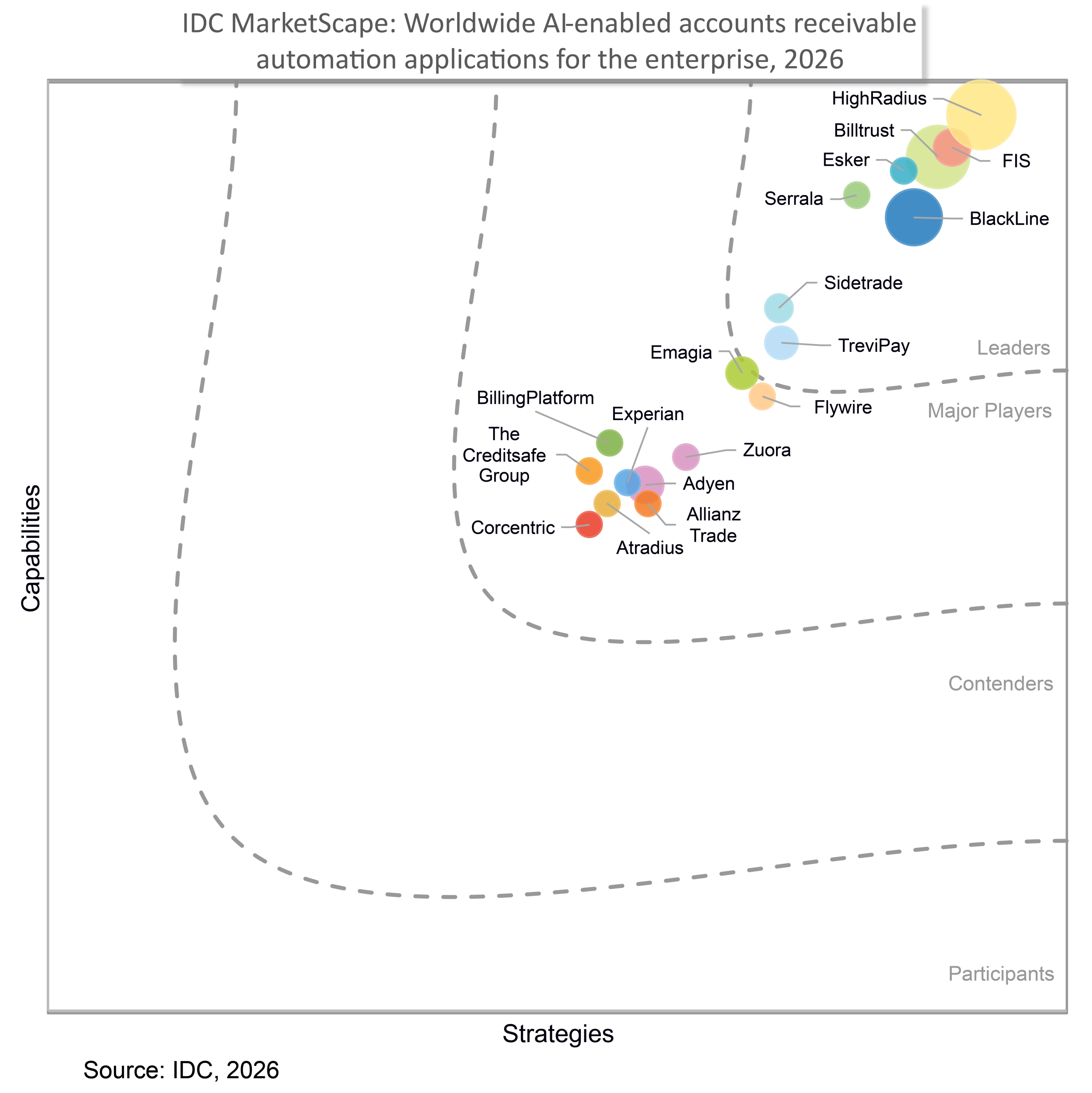
How HighRadius Automates Credit Management with Agentic AI
HighRadius Credit Management Platform helps mid-market finance teams automate credit decisioning, standardize risk evaluation, and gain real-time visibility into customer exposure without increasing analyst headcount. Built for organizations scaling beyond spreadsheet-driven approvals, the platform combines AI-driven credit scoring, automated workflows, and continuous monitoring to accelerate onboarding, reduce manual reviews, and improve control over credit risk.
With real-time credit risk management tools and AI-powered credit management solutions, finance teams can receive alerts for changes in customer credit profiles and make faster, data-driven decisions using unlimited credit reports. The platform integrates with ERP systems and can begin monitoring customers in as little as 30 days.
- With real-time credit risk analysis software and credit decisioning software, you can receive alerts for any changes in your customers’ credit profile and make data-driven credit decisions from unlimited credit reports. Our software integrates with your ERP system and can start monitoring your customers in just 30 days.
- We offer configurable credit scoring software and approval workflows that can be customized based on geography, customer segments, business units, and other factors. You can fast-track credit approvals through complex corporate hierarchies, making the credit application process more efficient and streamlined.
- Our highly configurable online credit application allows you to onboard customers across the globe with multi-language, customized credit applications embedded on your website. You can automatically capture financials, personal guarantees, and check bank references, reducing the need for manual data entry.
- Our software also automatically extracts credit data from over 40+ global and local agencies, including credit ratings, financials, and credit insurance information. You can configure the auto-extracted data in your preferred currency, making it easier to analyze and interpret.
- With AI-based blocked order management, you can auto-predict blocked orders based on the customers’ credit limit utilization and payment history. You can leverage AI-based release or partial payment recommendations for faster credit decisions, reducing the need for manual intervention.
Struggling With Slow Credit Approvals and Credit Reviews?
Explore the #1 software that makes onboarding customer faster and easier
Request a Demo

Collections
Accelerate payment recovery from delinquent customers and boost cash flow through automated collection workflows.
Cash App
Achieve same day cash application with automated remittance aggregation
Credit
Mitigate credit risk, reduce bad debt, and streamline customer onboarding with AI-powered insights.
Deductions
Reduce Revenue Leakage with AI Prediction models that identify valid and invalid deductions.
Online Credit Application
Onboard customers seamlessly with a configurable online credit application. Cut down on back-and-forth and collect all customer details in one go.