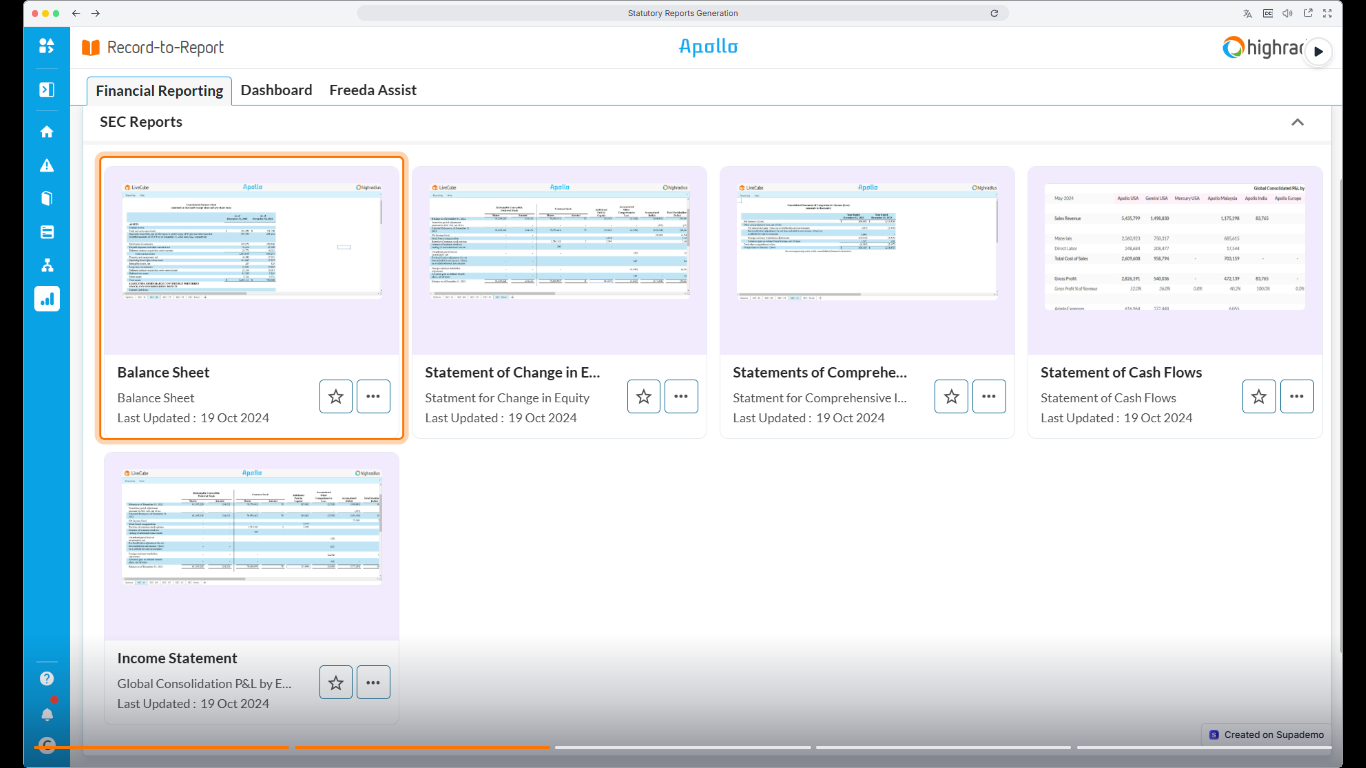
Cut Report Preparation Time by 95% with One-Click P&L,
Balance Sheet, and Cash Flow Financial Statements
HighRadius recognized as a Challenger in the 2025 Gartner® Magic Quadrant™ for Record to Report (R2R)
Access The Report
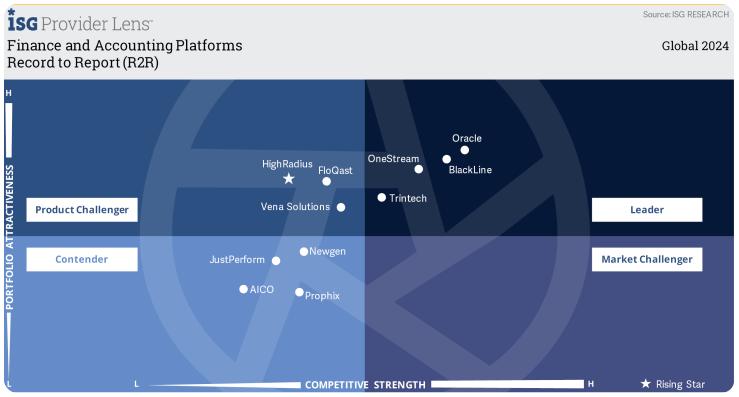
HighRadius Named ‘Rising Star’ in 2024 ISG Provider Lens™ Finance and Accounting Platforms Report
AI Driven Innovations | Comprehensive R2R Suite
Access The ReportLearn the key metrics businesses must consider when evaluating vendors for financial reporting software.
Download Vendor GuideDownload this ready-to-use template to track essential financial KPIs and business health that CFOs care about most
Download TemlplateDiscover proven use cases of how AI is transforming financial reporting by accelerating month-end close by 30%.
Download Guide| Feature | Manual Financial Statement | Automated Financial Statement Software |
|---|---|---|
| Process Efficiency | Slow, time-consuming manual matching of trial balances across disparate ERPs. | AI-driven automation accelerates the month-end close and financial reporting cycles. |
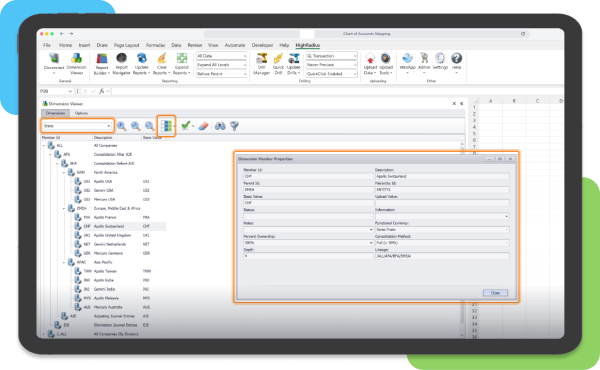
| Data Accuracy | Prone to human errors during manual COA mapping and line-item data entry. | Real-time AI validation and mapping ensures 95% data accuracy across all financial dimensions. |
| Compliance & Auditing | Manual tracking of intercompany eliminations increases the risk of audit failures. | Automated audit trails and change logs ensure full compliance and data transparency. |
| Resource Allocation | Finance teams waste hours on repetitive data ingestion and manual adjustments. | HighRadius enables finance teams to prioritize high-impact variance analysis and other strategic tasks. |
| Scalability | Struggles to handle multi-entity structures and complex currency conversions. | Seamlessly adapts to global needs via automated FX sync and multi-currency configuration. |
| Risk Management | High risk of misreporting due to fragmented data and spreadsheet-based consolidation. | AI-powered insights and automated variance commentary reduce financial and compliance risks. |
Unified Data Consolidation & Workflow Automation
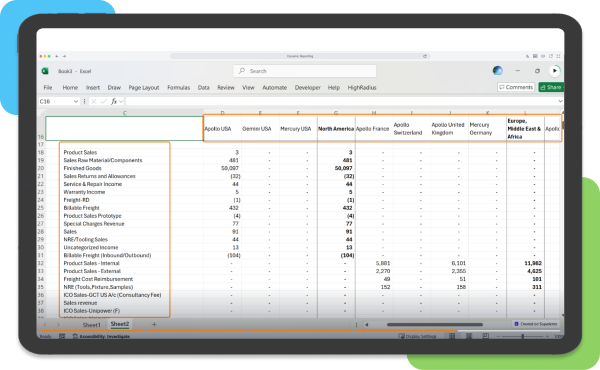
Centralize recurring transactions across all entities and currencies automatically. This unified workflow eliminates data fragmentation, allowing your financial reporting to scale effortlessly while maintaining absolute data integrity and process transparency at every level.
Intelligent Reconciliation & Close Efficiency
Accelerate your financial close by automating data validation and instantly flagging discrepancies. Intelligent workflows eliminate manual bottlenecks, allowing finance teams to shift from tedious error correction to driving high-level, strategic business decisions.
Compliance with GAAP and IFRS
Ensure every report is audit-ready by automatically applying the latest GAAP and IFRS standards. Built-in validation checks maintain consistency across jurisdictions, removing the manual burden of staying current with complex, shifting regulations.
360-Degree Financial Visibility
Access a 360-degree view of financial performance through centralized, real-time dashboards. Interactive reports enable instant drill-downs into revenue and cash flow, ensuring leadership makes data-backed decisions based on live, accurate organizational health.
Predictive Analytics & Strategic Forecasting
Transform raw financial data into actionable intelligence using predictive analytics. Identify revenue trends and forecast cash flow with precision, allowing your team to proactively mitigate financial risks before they impact the bottom line.
Enhanced forecasting accuracy
With machine learning and predictive analytics, transform raw financial data into powerful business intelligence. Identify revenue trends, forecast cash flow with greater accuracy, and proactively detect financial risks before they escalate.
Financial statement software serves as a centralized engine for your reporting cycle, replacing the manual burden of reconciliations and consolidations with seamless automation. By pulling data directly from your GL, it eliminates the risks associated with manual entry and ensures your balance sheets and income statements are consistently boardroom-ready.
This tool provides a rigorous layer of oversight, identifying discrepancies and audit trails long before they reach a formal report. It moves your team beyond the exhaustion of the month-end close, delivering real-time regulatory compliance and data integrity that protects your company’s financial narrative.
Implementing this solution shifts your department’s value from basic data processing to high-level strategic analysis. By removing the technical bottlenecks of statement preparation, you gain the clarity and bandwidth necessary to turn cash flow insights into actionable business growth.
From selecting the right software to scaling workflows, these steps guide businesses in successfully transitioning to automated financial statement generation and improving reporting outcomes
Audit your current month-end close to identify where manual data entry causes delays or errors. Prioritize software that specifically addresses these identified compliance risks.
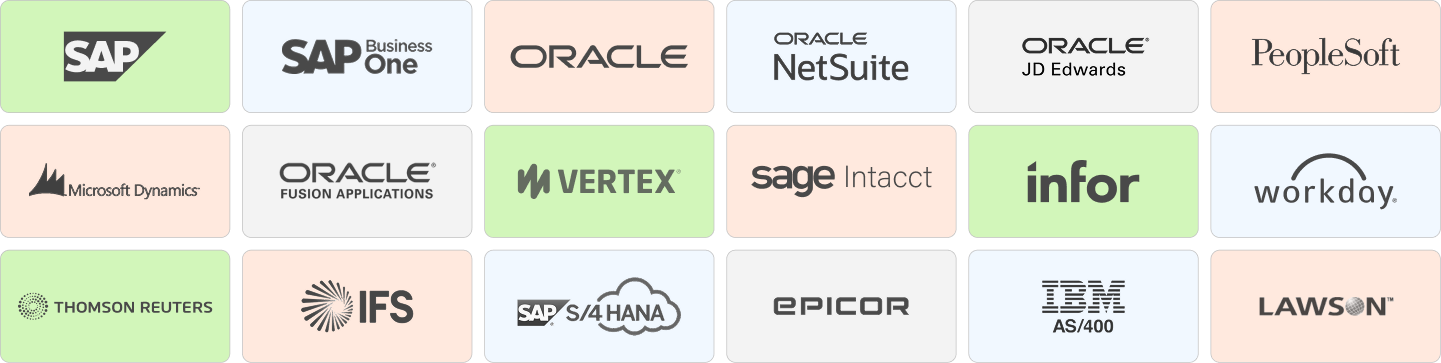
Ensure the software offers "out-of-the-box" connectivity with your existing ERP. Seamless data flow is critical for multi-entity consolidation and maintaining a single source of truth.
Select a platform that provides live dashboards and self-service reporting. The interface must allow finance people to perform variance analysis and generate insights instantly.
Verify built-in regulatory frameworks (GAAP/IFRS) and automated approval workflows. This ensures your statements remain "audit-ready" with minimal manual oversight.
Financial statement software is a specialized tool designed to automate the preparation of a company’s core financial reports, such as balance sheets, income statements, and cash flow statements. It pulls data directly from general ledgers to ensure that financial reporting is accurate, standardized, and compliant with accounting frameworks like GAAP or IFRS.
Using automated financial reporting tools eliminates the need for manual data entry and complex spreadsheet linking. By integrating directly with your ERP, the software can generate real-time statements, reducing the month-end close cycle from weeks to just a few days.
Manual preparation is highly susceptible to human error, particularly during data consolidation from multiple entities. Without financial statement software, finance teams often struggle with “version control” issues in spreadsheets, lack of a clear audit trail, and delayed insights that make proactive decision-making impossible.
For large enterprises, automated financial consolidation software is transformative. It allows for the seamless merging of data across different currencies, tax jurisdictions, and subsidiaries. This provides leadership with a “single source of truth,” ensuring that global performance metrics are consistent and transparent for stakeholders.
Modern financial reporting solutions include built-in validation rules and audit logs. They automatically apply the latest accounting standards and provide a digital paper trail for every adjustment made, significantly reducing the risk of non-compliance during external audits or SEC filings.
When evaluating financial statement management tools, prioritize the following:
The ROI of financial statement software is realized through significant labor savings (fewer hours spent on manual reconciliation) and the mitigation of costly reporting errors. Additionally, the value of “real-time visibility” allows CFOs to optimize capital allocation, which can lead to improved profit margins over time.
Yes, most advanced financial reporting platforms utilize APIs or secure file transfer protocols (SFTP) to bridge the gap with legacy systems. This allows businesses to modernize their reporting and analytics layer without the massive expense and risk of a full ERP replacement.